Vacon Drives and the Smart Factory Revolution
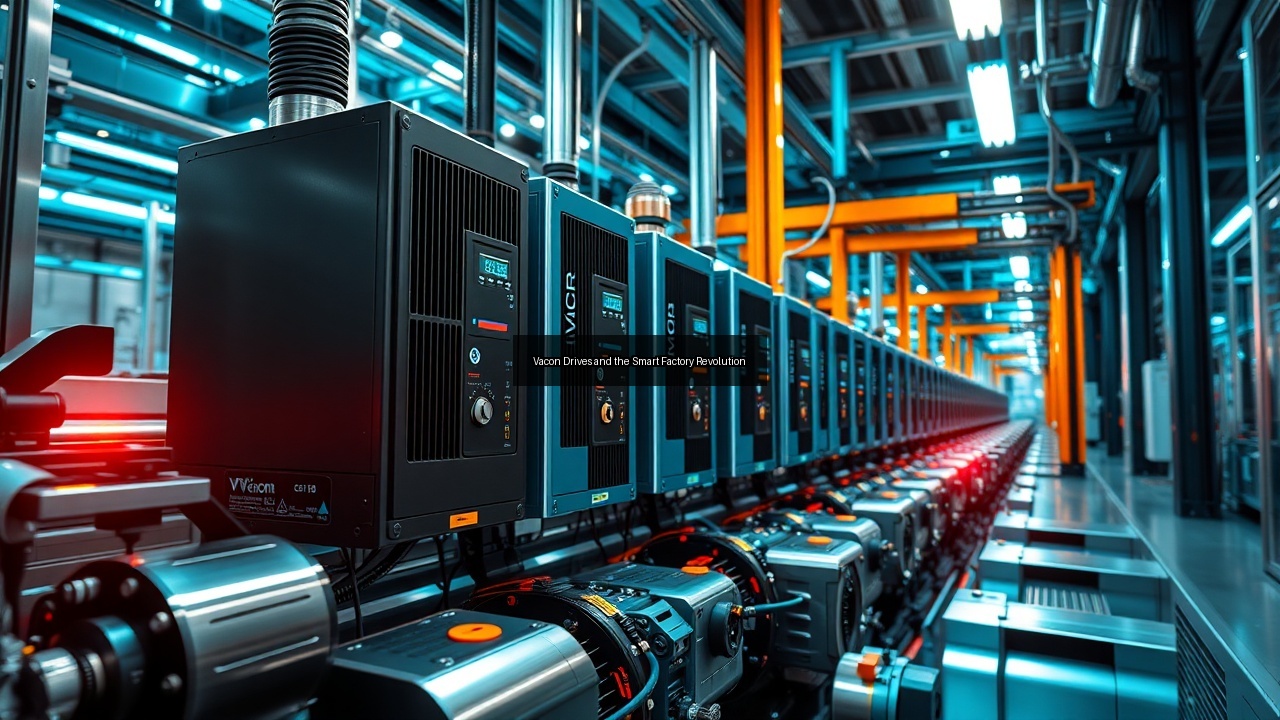
Understanding Vacon Drives in Modern Industry
What are Vacon Drives?
Vacon drives, a prominent name in the field of variable frequency drives (VFDs), serve as essential components in modern industrial automation. These drives convert fixed frequency alternating current (AC) power into variable frequency and voltage output, allowing precise control of electric motors. By adjusting the frequency of the power supplied, Vacon drives enable motors to operate at optimal speeds, enhancing efficiency and performance. This technology is particularly valuable in applications that require variable speed control, such as pumps, fans, and conveyors. The ability to fine-tune motor performance not only improves operational efficiency but also extends the lifespan of equipment, making Vacon drives a smart investment for manufacturers looking to enhance productivity.
The Role of AC Drives in Automation
AC drives, including Vacon drives, play a pivotal role in the automation landscape. They enable seamless integration of various systems, facilitating real-time monitoring and control. In manufacturing, automation systems that incorporate AC drives can significantly reduce energy consumption by matching motor speed to the actual demand of the process. This flexibility allows for smoother operations and minimizes wear and tear on machinery, leading to lower maintenance costs. Furthermore, Vacon drives provide advanced features like diagnostics and predictive maintenance capabilities, empowering operators to make informed decisions. By collecting data on performance and energy usage, these drives contribute to the overall efficiency of manufacturing processes, driving the industry towards smarter and more sustainable practices.
Comparison of Variable Frequency Drives (VFDs) and Traditional Drives
When comparing variable frequency drives (VFDs) like Vacon drives to traditional drives, the differences become evident in efficiency and functionality. Traditional drives typically operate at a constant speed, which can lead to energy wastage and increased operational costs. In contrast, VFDs adjust the motor speed according to the specific requirements of the application, resulting in significant energy savings. For instance, in HVAC systems, using Vacon AC drives allows for better control of airflow and temperature, directly impacting energy consumption. Additionally, VFDs provide smoother starts and stops, reducing mechanical stress on motors and extending their operational lifespan. This adaptability makes Vacon drives not only a cost-effective solution but also a crucial element in enhancing industrial automation processes.
The Smart Factory Revolution: Integrating Vacon Drives
How Vacon Drives Enable Smart Manufacturing
Vacon drives are integral to the smart factory revolution, facilitating the transition towards fully automated and interconnected manufacturing environments. These drives allow for precise control of electric motors, enabling machines to operate efficiently and respond dynamically to production demands. With smart manufacturing principles at play, Vacon drivers drives support the Internet of Things (IoT) integration, allowing for real-time data exchange between devices and systems. This connectivity ensures that production lines can adapt quickly to changes, optimizing resource use and minimizing downtime. Furthermore, the advanced algorithms in Vacon AC drives enable predictive analytics, helping manufacturers anticipate maintenance needs and avoid costly disruptions. By incorporating Vacon technology into their operations, manufacturers position themselves at the forefront of the smart factory movement.
The Impact of Variable Speed Drives on Efficiency
Variable speed drives, especially those from Vacon, have a profound impact on operational efficiency across various industries. By allowing motors to run at varying speeds, these drives optimize energy consumption based on real-time demand. This capability is particularly beneficial in processes like pumping and ventilation, where the ability to adjust flow rates can lead to substantial energy savings. For example, in water treatment facilities, Vacon drives enable pumps to operate only at the required flow rate, drastically reducing energy costs. Additionally, these drives enhance system responsiveness, allowing for quick adjustments that improve overall process control. The cumulative effect of these efficiencies not only lowers operational costs but also contributes to a significant reduction in greenhouse gas emissions, aligning manufacturing practices with sustainability goals.
Case Studies: Vacon Drives in Action
Several case studies highlight the effectiveness of Vacon drives in real-world applications. One notable example involves a leading manufacturer of HVAC systems that integrated Vacon AC drives into their production line. By replacing traditional drives with Vacon technology, they achieved a 30% reduction in energy consumption, significantly lowering operational costs. Another case study focused on a large-scale water treatment plant that implemented Vacon variable frequency drives to optimize pump performance. The result was a 25% increase in efficiency, along with extended equipment life due to reduced wear and tear. These case studies demonstrate how Vacon drives not only improve energy efficiency but also enhance the reliability and longevity of critical industrial equipment.
Enhancing Performance with Vacon Drives
Optimizing Electric Motors with Vacon Technology
Optimizing electric motors is a core benefit of using Vacon drives. These drives provide precise control over motor speeds, allowing for fine-tuning that aligns with specific operational requirements. The integration of Vacon technology into motor systems results in enhanced performance and reliability. For instance, in industrial applications that require frequent starts and stops, Vacon drives minimize mechanical stress, resulting in longer motor life and reduced maintenance costs. Additionally, the ability to monitor and adjust motor performance in real-time leads to better energy management and operational efficiency. As industries strive for greater productivity, the role of Vacon drives in optimizing electric motors becomes increasingly vital, ensuring that manufacturing processes remain competitive and sustainable.
HVAC Systems and the Role of Vacon AC Drives
HVAC systems benefit significantly from the integration of Vacon AC drives. These drives allow for precise control of blower and pump speeds, which is essential in maintaining optimal indoor air quality and energy efficiency. By adjusting the motor speed based on real-time demand, Vacon drives reduce energy consumption and improve system responsiveness. This adaptability leads to lower energy bills and a reduced carbon footprint, aligning HVAC operations with modern sustainability initiatives. Furthermore, Vacon AC drives support advanced features such as remote monitoring and diagnostics, enabling building managers to optimize performance and address issues proactively. The result is a more efficient and effective HVAC system that enhances comfort while minimizing energy usage.
Future Innovations in Vacon Drive Technology
The future of Vacon drive technology promises exciting innovations that will further enhance industrial automation. Emerging trends include the development of smarter algorithms for energy management and advanced communication capabilities that enable better integration with IoT systems. Innovations in artificial intelligence may also play a role, allowing Vacon drives to learn from operational data and optimize performance autonomously. Additionally, as industries increasingly focus on sustainability, advancements in energy-efficient technologies will likely shape the next generation of Vacon drives. These innovations will not only drive cost savings but also contribute to a greener manufacturing landscape, ensuring that Vacon remains at the forefront of the smart factory revolution.