The Future of Metal Construction Galvanized vs Stainless Steel
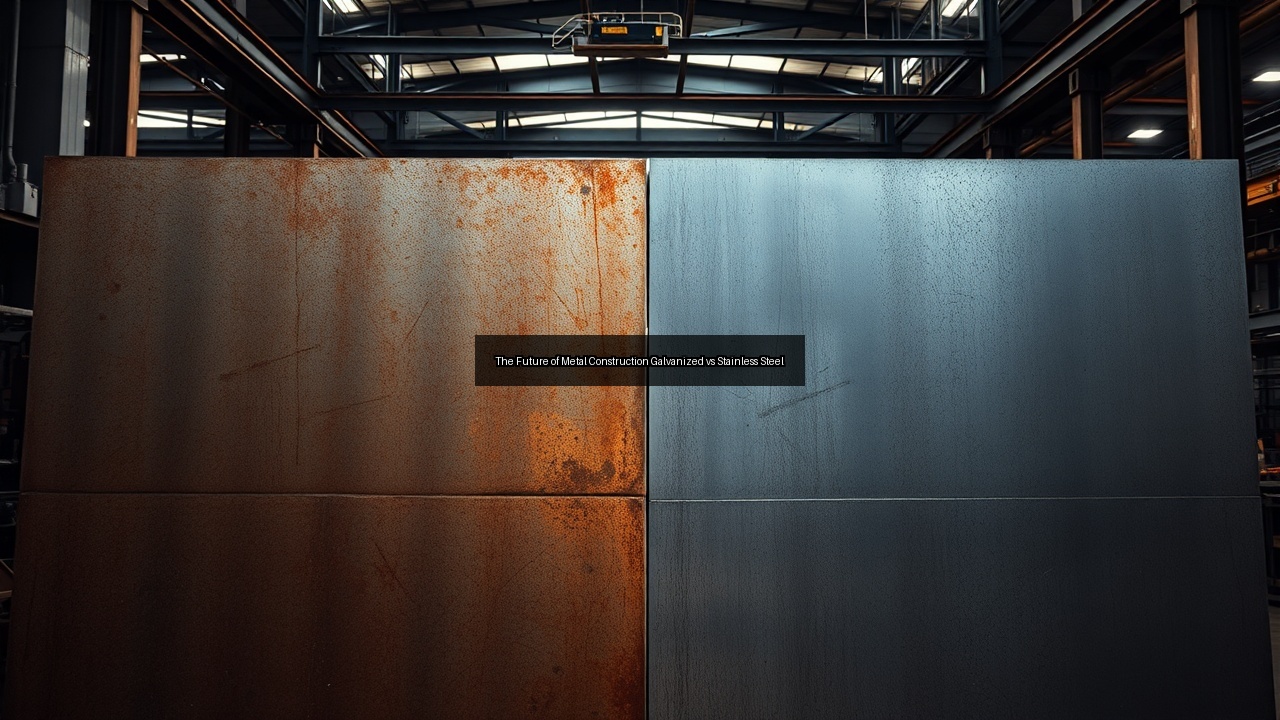
Understanding the Basics of Galvanized and Stainless Steel
What is Galvanized Steel?
Galvanized steel consists of carbon steel coated with a layer of zinc to enhance its corrosion resistance. The process of galvanization protects the underlying steel from rust and degradation caused by moisture and various environmental factors. The zinc coating serves as a sacrificial layer, meaning it corrodes before the underlying steel does, prolonging the life of the metal structure. Commonly used in construction, automotive parts, and outdoor furniture, galvanized steel balances cost and durability, making it a popular choice for various applications. Its protective qualities are particularly effective in environments that expose steel to weather elements, ensuring the longevity of metal structures.
What is Stainless Steel?
Stainless steel is an alloy primarily made of iron, chromium, and nickel, known for its exceptional corrosion resistance and strength. The chromium content creates a thin layer of chromium oxide on the surface, which prevents rust formation and protects the steel from corroding. This type of steel is prevalent in industries that demand high hygiene standards, such as food processing and medical equipment, as well as in architectural applications due to its aesthetic appeal and durability. Stainless steel offers a range of grades, each designed for specific applications, making it versatile across the metal industry.
Key Differences in Composition and Properties
The key differences pros of galvanized steel between galvanized steel and stainless steel primarily lie in their composition and properties. Galvanized steel relies on a zinc coating for corrosion resistance, while stainless steel's resistance comes from its alloy composition, notably its chromium content. This fundamental difference influences their performance in various environments. Galvanized steel is more cost-effective and easier to weld but may not hold up as well in highly corrosive settings compared to stainless steel. On the other hand, stainless steel offers superior strength and aesthetic appeal but comes with a higher price tag. Understanding these differences helps in selecting the right material based on specific project requirements, including factors like environmental conditions, budget constraints, and desired longevity.
Corrosion Resistance and Durability
Corrosion Mechanisms: How Each Material Performs
Corrosion resistance plays a critical role in determining the longevity and performance of metal structures. Galvanized steel protects itself through a sacrificial zinc layer that corrodes first, preventing rust from developing on the underlying steel. This mechanism works well in environments with minimal exposure to harsh chemicals or salty air. However, if the zinc layer is scratched or damaged, the exposed steel can corrode rapidly. Stainless steel, by contrast, forms a passive layer of chromium oxide that self-repairs if damaged. This makes stainless steel highly effective in corrosive environments, such as marine applications or chemical processing plants. Understanding these corrosion mechanisms informs decisions in selecting materials, especially in applications where durability and resistance to environmental degradation are paramount.
Longevity and Maintenance of Galvanized Steel vs Stainless Steel
When considering longevity and maintenance, stainless steel generally outperforms galvanized steel. Stainless steel can last for decades, even in harsh conditions, with minimal maintenance required. Its resistance to rust and corrosion means that it often doesn’t require protective coatings, saving time and costs associated with upkeep. In contrast, galvanized steel, while durable, may require periodic maintenance to ensure the zinc coating remains intact and effective. If the coating gets damaged, the exposed steel can corrode, potentially leading to structural issues over time. Understanding these longevity factors is essential when making decisions about material selection, especially for long-term projects where maintenance considerations impact overall costs and functionality.
Rust and Corroding: Real-World Implications
Rust and corrosion present real-world implications for both galvanized and stainless steel. In environments where moisture is prevalent, galvanized steel can suffer from rust if the protective zinc layer wears away. This can lead to structural failures or costly repairs. Conversely, stainless steel's resistance to rust makes it suitable for applications such as pressure vessels, where safety and reliability are critical. Industries that rely on these materials must consider the implications of corrosion on safety, maintenance costs, and overall project viability. This decision impacts not only the initial material costs but also the long-term operational efficiency and safety of metal structures.
Applications in the Metal Industry
Common Uses of Galvanized Steel
Galvanized steel finds widespread application across various sectors due to its cost-effectiveness and durability. Common uses include construction elements like roofing, siding, and metal fences, where protection against the elements is crucial. It also serves in the automotive industry for parts that require resistance to corrosion without the high costs associated with stainless steel. Additionally, galvanized steel is frequently utilized in agricultural settings for structures like barns and silos, where exposure to moisture is constant. Its ease of fabrication and weldability makes it an attractive option for projects requiring quick assembly and robust performance.
Stainless Steel in Pressure Vessels and Beyond
Stainless steel plays a pivotal role in the metal industry, especially in applications such as pressure vessels, piping systems, and food processing equipment. Its strength and corrosion resistance make it ideal for maintaining structural integrity under high pressure and temperature. The pharmaceutical and food industries specifically benefit from stainless steel’s hygienic properties, ensuring that products remain uncontaminated. Beyond these applications, stainless steel is also used in architectural designs where aesthetic appeal and durability are important, such as in railings, facades, and kitchen installations. The versatility of stainless steel continues to expand, demonstrating its integral role in modern metal construction.
Impact of Material Choice on Weldability and Fabrication
The choice between galvanized steel and stainless steel significantly affects weldability and fabrication processes. Galvanized steel, with its lower melting point and ease of welding, often simplifies fabrication. However, welders must take special precautions to avoid burning through the zinc coating, which can compromise corrosion resistance. Stainless steel, while generally more challenging to weld due to its higher melting point, offers superior strength and durability once fabricated. Different grades of stainless steel can enhance weldability, allowing for tailored solutions based on specific project requirements. The impact of material choice on fabrication processes influences not only the ease of construction but also the overall quality and longevity of the finished product.
Economic Considerations and Sustainability
Price Comparison: Galvanized vs Stainless Steel
Price remains a crucial factor when comparing galvanized steel and stainless steel. Generally, galvanized steel offers a more budget-friendly option, making it attractive for projects with tight budgets. The cost-effective galvanization process allows for significant savings, especially in large-scale construction. In contrast, stainless steel tends to be more expensive due to its alloy composition and the complexity of its production process. However, the long-term savings associated with reduced maintenance needs and increased durability of stainless steel can offset its higher initial cost. Evaluating the economic implications of material choices is essential for making informed decisions that balance upfront costs with long-term value.
Sustainability in Steel Production and Material Sourcing
Sustainability has become an increasingly important consideration in steel production and material sourcing. Galvanized steel can raise concerns regarding the environmental impact of the galvanization process and the disposal of zinc waste. However, advancements in recycling and sustainable practices are improving the environmental footprint of galvanized steel. Stainless steel, known for its recyclability, offers a more sustainable option as it can be reused without degrading its properties. The steel industry is evolving, with innovations aimed at reducing carbon emissions during production processes. Companies focusing on sustainability can benefit from selecting materials that align with eco-friendly practices, influencing their reputation and compliance with regulations.
Future Trends and Innovations in Metal Construction
The future of metal construction is poised for exciting innovations, particularly in the realm of galvanized steel and stainless steel. Emerging technologies, such as laser cutting and advanced welding techniques, are enhancing the fabrication processes, making it easier to work with both materials. Additionally, research into new alloys and coatings aims to improve corrosion resistance and overall performance. Sustainability will drive trends, with an increased focus on using recycled materials and developing eco-friendly production methods. As the metal industry adapts to changing demands, the choice between galvanized steel and stainless steel will continue to evolve, influenced by advancements in technology, cost considerations, and sustainability objectives.