Swiss CNC Machining vs Traditional Machining Which is Better
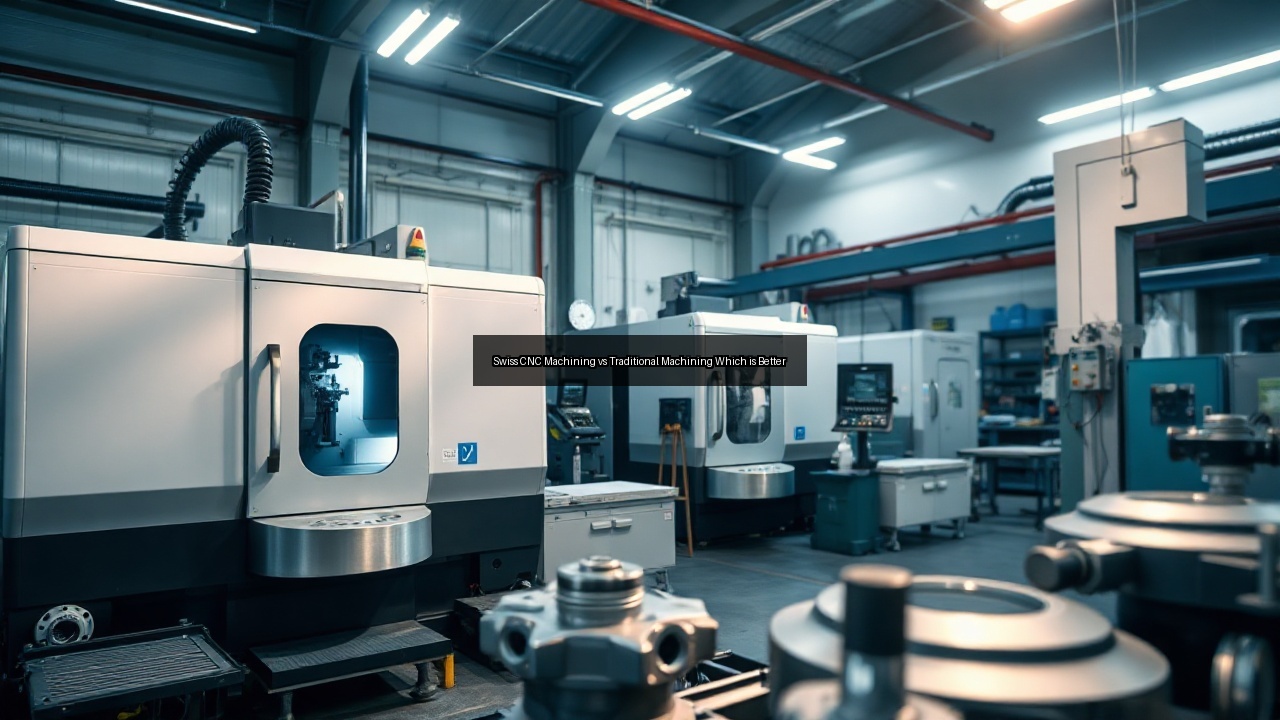
Understanding Swiss CNC Machining
What is Swiss CNC Machining?
Swiss CNC machining, often referred to as Swiss machining, is a specialized manufacturing process that utilizes CNC (Computer Numerical Control) technology to produce extremely precise parts. Originating from the Swiss watchmaking industry, this technique excels in creating intricate components with tight tolerances and complex geometries. The Swiss CNC lathe operates by using a rotating spindle and a series of tools that can move in multiple axes, allowing for the simultaneous machining of various features on a workpiece. This method is particularly effective for producing small-diameter parts, such as bushings and screws, which require a high degree of accuracy.
Key Features of Swiss CNC Machines
Swiss CNC machines stand out due to several key features that enhance their functionality and precision. First, their ability to conduct automatic tool changes allows for quick adjustments to machining processes, minimizing downtime and maximizing productivity. Second, Swiss lathes often have multiple spindles and tool stations, enabling simultaneous operations on a single part, which significantly increases manufacturing speeds. Additionally, the unique sliding headstock design of Swiss CNC machines supports the machining of long, slender components while maintaining stability and reducing vibration. This combination of features makes Swiss CNC machining an ideal choice for high-volume production runs where precision and efficiency are paramount.
Applications in Various Industries
Swiss CNC machining finds applications across a diverse array of industries. The aerospace sector benefits from its ability to produce lightweight yet robust components that meet stringent safety and performance standards. In cnc machining processes the medical device industry, manufacturers utilize Swiss CNC machines to create intricate parts that require absolute precision, such as surgical instruments and implantable devices. The oil and gas industry also relies on this technology for producing durable components capable of withstanding extreme conditions. Other sectors, including automotive and electronics, leverage Swiss machining for its versatility in fabricating components with complex geometries and high tolerances. This broad applicability underscores the importance of Swiss CNC machining in modern manufacturing.
Traditional Machining Methods
Overview of Traditional Machining Techniques
Traditional machining encompasses a variety of processes, including turning, milling, drilling, and grinding. These methods have been utilized for centuries and involve the removal of material from a workpiece to create desired shapes and features. Lathes and milling machines are the most common tools used in these techniques. Turning operations on lathes allow for cylindrical parts to be shaped, while milling machines can produce flat surfaces, slots, and other complex features. Traditional machining relies heavily on the skill of the operator, as manual adjustments and setups are often necessary to achieve the desired specifications.
Common Tools and Machines Used
In traditional machining, several tools and machines play critical roles. Lathes are essential for turning operations and can handle various materials, including metals and plastics. Milling machines complement lathes by offering the ability to cut and shape materials in multiple directions. Drilling machines create holes of various diameters and depths, while grinders are used for finishing surfaces to achieve high precision. Other tools, such as saws and broaches, also contribute to the machining process. These machines often cnc machining process require skilled operators who manually control the machining parameters to ensure quality and accuracy.
Limitations of Traditional Machining
While traditional machining methods have their merits, they also come with several limitations. One significant drawback is the reliance on manual labor, which can lead to inconsistencies in quality and precision. Human error during setup or operation can result in parts that do not meet specifications. Additionally, traditional machining often requires longer lead times for setups and adjustments, which can hinder production efficiency. The inability to automate processes fully can limit the scalability of operations, especially in high-volume production scenarios. As manufacturing demands increase, these limitations become more pronounced, prompting a shift toward advanced machining technologies.
Comparative Analysis: Swiss CNC Machining vs. Traditional Machining
Precision and Tolerances
Swiss CNC machining excels in precision and tolerances compared to traditional machining methods. Swiss CNC machines can achieve tolerances as tight as ±0.001 inches, making them ideal for applications where accuracy is critical. The automated nature of CNC technology eliminates much of the human error associated with traditional methods, ensuring consistent quality across production runs. In contrast, traditional machining often struggles to maintain similar levels of precision due to operator variability and the manual adjustments required. The ability to produce highly intricate geometries with Swiss machining further enhances its appeal in industries that demand precision-engineered components.
Speed and Efficiency
Speed and efficiency are pivotal factors in the manufacturing process. Swiss CNC machining significantly outpaces traditional methods, thanks to its automated tool changes and simultaneous operations. A Swiss CNC lathe can process multiple features of a part all at once, drastically reducing production time. In contrast, traditional machining often involves sequential operations, leading to longer lead times for part completion. The streamlined workflow of Swiss machining allows for rapid prototyping and high-volume production without sacrificing quality. Companies seeking to enhance their manufacturing efficiency increasingly turn to Swiss CNC technology to meet the growing demands of the marketplace.
Cost Considerations
Cost considerations play a crucial role in choosing between Swiss CNC machining and traditional methods. Initially, the capital investment for Swiss CNC machines may appear higher due to advanced technology and automation features. However, the long-term savings achieved through reduced labor costs, minimized waste, and enhanced production speeds often outweigh these initial expenses. Traditional machining may seem more cost-effective for small-scale production but can lead to higher operational costs over time due to inefficiencies and potential rework. As manufacturers aim for greater efficiency and reduced costs, Swiss CNC machining presents a compelling case for investment.
Quality Control and Consistency
Quality control remains a fundamental aspect of any manufacturing process. Swiss CNC machining offers superior consistency in part quality due to its automated systems, which continuously monitor and adjust machining parameters. This technology ensures that each part produced adheres to the same specifications, significantly reducing the risk of defects. Traditional machining, while capable of producing high-quality parts, often struggles with consistency due to the reliance on manual processes and operator skill. As quality expectations rise in industries such as aerospace and medical devices, the advantages of Swiss CNC machining in maintaining stringent quality standards become increasingly apparent.
Future Trends in Machining Technologies
Advancements in CNC Machining
Future advancements in CNC machining promise to revolutionize the manufacturing landscape. Innovations in machine design and control systems are enhancing the capabilities of CNC machines, allowing for even greater precision and efficiency. Technologies such as multi-axis machining and hybrid manufacturing processes that combine additive and subtractive methods are emerging. These advancements enable manufacturers to produce complex parts in a single setup, further reducing lead times and costs. The integration of artificial intelligence and machine learning into CNC cnc machining processes systems offers predictive maintenance and real-time optimization, driving the next wave of manufacturing efficiency.
The Role of CAD Software in Modern Machining
Computer-Aided Design (CAD) software plays a pivotal role in modern machining technologies. CAD programs facilitate the design and engineering of intricate parts, enabling manufacturers to visualize and simulate machining processes before production begins. This software allows for precise modeling of geometries, ensuring that the designs meet all specifications. Integrating CAD with CNC machines streamlines the transition from design to production, reducing errors and enhancing overall efficiency. As CAD technology continues to evolve, it will further empower manufacturers to push the boundaries of what is achievable in machining.
Emerging Applications in Aerospace and Medical Devices
The aerospace and medical device industries are witnessing a surge in the adoption of advanced machining technologies. In aerospace, manufacturers require components with extreme precision and reliability, making Swiss CNC machining an ideal solution. The ability to produce lightweight yet strong parts contributes to fuel efficiency and overall performance. Similarly, the medical device sector demands high-quality, intricate parts that meet stringent regulatory standards. As these industries evolve, the push for innovative machining solutions will grow, leading to the continued expansion of Swiss CNC machining applications in new and exciting areas.
See Also
- The Key Differences Between Swiss Lathes and Conventional Lathes
- The Future of Manufacturing with Swiss CNC Machining Technology
- Exploring the Advantages of Swiss CNC Machining in Oil and Gas Industries
- Exploring the Versatility of Swiss CNC Machining Across Industries
- Innovative Tooling Solutions for Swiss CNC Machining Success